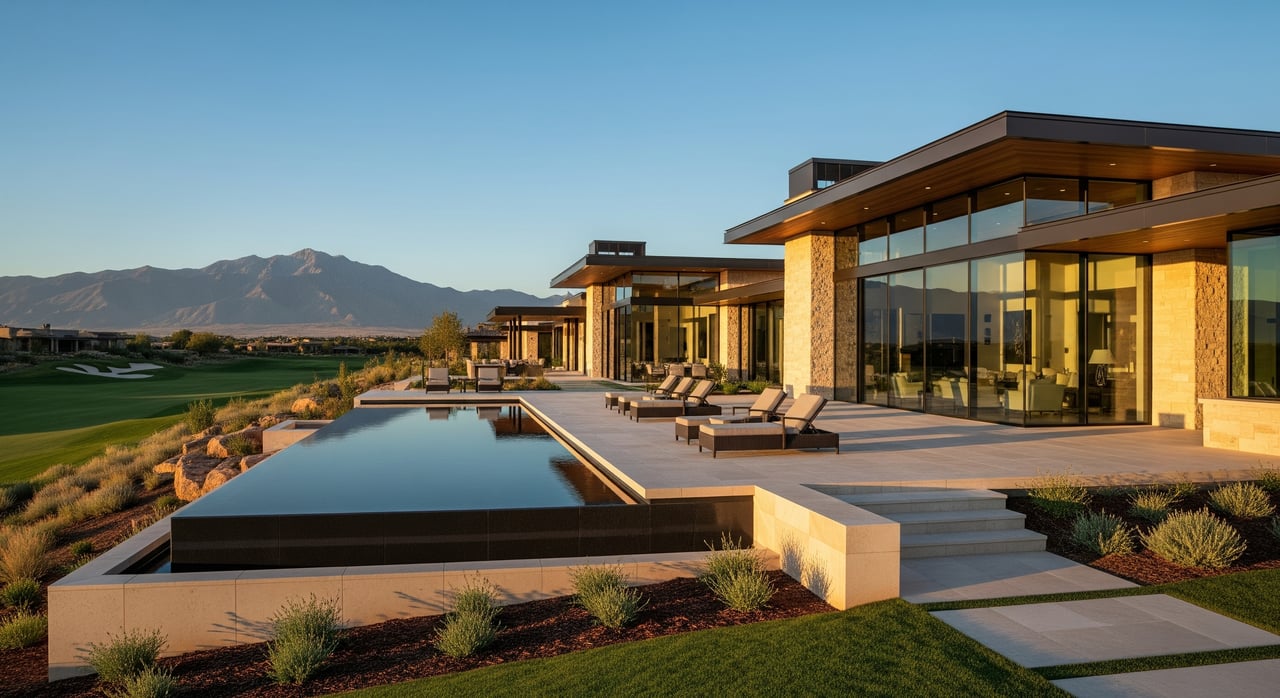
Shopping for a home in Arrowcreek and eyeing prices above the standard mortgage range? You’re not alone. Many properties in this gated, golf community sit above conforming limits, which means you may be looking at a jumbo loan. In this guide, you’ll learn the Washoe County jumbo threshold, what lenders expect for credit, income, and reserves, how Arrowcreek appraisals handle view and golf-course premiums, and how to approach rates with confidence. Let’s dive in.
Jumbo loans in Washoe County
A jumbo loan is any mortgage that exceeds the conforming loan limit set by the Federal Housing Finance Agency. Loans at or below the limit can be sold to Fannie Mae and Freddie Mac. Loans above the limit are considered non-agency jumbos.
For 2024, the baseline conforming limit for a single-family home is $766,550. Washoe County uses this baseline rather than high-cost limits, so many Arrowcreek homes exceed the cap and require jumbo financing. Because limits update annually, confirm the current year’s figure with your lender when you shop.
Jumbo programs vary by lender. Maximum loan-to-value, underwriting standards, and pricing can differ widely. Ask for each lender’s specific jumbo guidelines so you’re comparing apples to apples.
Underwriting basics: what lenders expect
Jumbo underwriting is more detailed than conforming. Here’s what to expect so you can prepare early and move fast once you find the right home.
Credit score and history
Most jumbo programs offer best pricing when your credit score is 700 to 720+. Some lenders will accept 680+ on certain programs with tighter terms or higher reserves. Clean, consistent payment history and limited derogatory marks help your approval and your rate.
Down payment and LTV
For a primary residence, common maximum LTVs range from 80 to 90 percent, with many mainstream programs pricing best at 80 percent LTV. Second homes and investment properties often cap lower, typically 70 to 80 percent. Some portfolio lenders allow higher LTVs, but expect stronger credit and larger reserves.
Debt-to-income ratio
Lenders typically evaluate DTI in the 43 to 50 percent range, depending on compensating factors like high credit scores, large reserves, or low LTV. If your monthly obligations are close to the limit, reducing revolving debt can improve your profile.
Cash reserves and assets
Jumbos usually require larger reserves than conforming loans. Expect 6 to 12 months of PITI for a primary residence and 12 to 24+ months for second homes or investments. Liquid accounts count, and many programs allow a portion of retirement funds subject to withdrawal rules. You’ll document sources of funds, explain large deposits, and provide recent statements.
Income documentation
Salaried buyers typically provide recent pay stubs, W-2s, and two years of tax returns. Self-employed buyers should plan on two years of personal and business returns plus a current profit-and-loss statement. Some lenders offer bank-statement or alternate documentation jumbo programs, which can help certain borrowers but usually come with higher rates and stricter reserve requirements.
HOA, taxes, and insurance
Monthly HOA dues, property taxes, and homeowners insurance all factor into your housing expense and DTI. Lenders will verify insurability and coverage levels. Be sure to budget HOA dues and any special assessments into your payment planning.
Arrowcreek appraisal playbook
Many Arrowcreek properties command premiums for views and golf-course proximity. Appraisals must quantify those premiums with market evidence and clear analysis.
Appraiser qualifications
High-value or complex homes often require a more experienced appraiser. Many lenders prefer a state-certified general appraiser for these assignments. Expect a full interior and exterior appraisal. Unique properties may require additional commentary or forms.
Views and golf-course premiums
View premiums are common in Arrowcreek, but they must be supported by comparable sales. Appraisers look for paired sales or recent view-home comps to support adjustments. The same goes for golf-course frontage. Because view quality can be subjective, strong market commentary and documented comps are essential.
Limited comparable sales
Luxury neighborhoods sometimes have fewer recent sales. Appraisers may expand the search radius or go back further in time, then make careful adjustments for location, lot features, upgrades, and view or golf adjacency. Lenders also set expectations for comp age and proximity, so the appraiser must justify choices clearly.
Upgrades, finishes, and permits
High-end finishes, custom renovations, and permit history matter. Appraisers verify condition and may adjust for deferred maintenance or incomplete projects. Providing an itemized list of upgrades, with invoices and permit documentation, helps support value.
HOA health and CC&Rs
HOA financials, reserve strength, special assessments, and CC&Rs can affect marketability and appraised value. Rental caps and other restrictions may narrow the buyer pool. Sharing HOA documents with the appraiser provides helpful context.
How to avoid appraisal surprises
- Provide a packet of recent closed comps that match your view, lot, and finish level.
- Include a detailed upgrades list with receipts and permits.
- Ask your lender if a certified general appraiser with local luxury experience will be assigned.
- Consider a buyer-paid pre-offer or early appraisal for unique or high-value properties.
- Build an appraisal contingency and a plan for gaps, such as additional funds or negotiated concessions.
Jumbo rates: what drives pricing
Jumbo rates are influenced by the broader rate environment, investor demand for non-agency mortgages, lender cost of funds, and your individual risk profile. Loan size, LTV, credit score, documentation type, and property type all affect pricing.
Recent patterns
Jumbo-to-conforming spreads shift over time. In some periods, jumbo rates have been slightly lower due to strong investor appetite. In risk-off markets, jumbo rates can run higher than conforming. Private banks sometimes offer promotional pricing to retain high-net-worth clients.
Practical rate strategies
- Run side-by-side scenarios. Small rate moves of 0.125 to 0.50 percent can meaningfully change your monthly payment at high balances.
- Clarify lock terms. Jumbo lock periods and float-down options vary by lender. Understand costs and expiration dates.
- Evaluate points. On large loans, discount points can deliver significant savings if your expected time in the home supports the breakeven.
- Compare three lender types. Check a large national bank, a regional bank or credit union, and an experienced mortgage broker. Ask each for a full Loan Estimate with rate, points, and fees.
Arrowcreek buyer checklist
Use this step-by-step plan to get clear, competitive, and confident before you write an offer.
Pre-approval and lender fit
- Choose a lender with deep jumbo experience and local Arrowcreek familiarity.
- Get a full pre-approval, including max LTV, reserve requirements, and a document checklist.
Financial prep and documentation
- Gather two years of tax returns, recent W-2s and pay stubs, and 2 to 3 months of bank and brokerage statements.
- Prepare explanations for large deposits and document sources of funds.
- Pay down revolving balances where feasible and avoid new credit inquiries.
- If self-employed, assemble business returns and a current profit-and-loss statement.
Appraisal readiness
- Compile a packet for the appraiser: upgrades list, permits, invoices, HOA documents, and recent closed comps that match your view and lot profile.
- Request a local, experienced appraiser familiar with luxury and golf-course properties.
- Consider a pre-appraisal or broker opinion on unique properties.
Insurance and HOA checks
- Confirm insurability and coverage costs. Lenders require adequate homeowners insurance at closing.
- Review HOA financials and ask about any upcoming assessments that could affect DTI or marketability.
Offer and contingency planning
- Include an appraisal contingency tailored to a jumbo timeline and value risk.
- Discuss appraisal gap strategies, such as additional earnest money or targeted seller credits.
Post-approval stability
- Lock your rate at a sensible milestone with a clear view of timing and costs.
- Keep assets and liabilities stable until closing. Avoid major purchases or job changes.
Your next move in Arrowcreek
A smart jumbo strategy helps you focus on the home, not the hurdles. With the right lender fit, strong documentation, and a clear appraisal plan for views and golf-course frontage, you can write a competitive offer and protect your financing. If you want a local, design-forward partner to guide you through lender selection, pre-approval, and valuation prep specific to Arrowcreek, connect with Elizabeth Marty for a streamlined plan from search to closing.
Ready to start? Reach out to Elizabeth Marty to align your financing, tour the right homes, and move forward with confidence.
FAQs
What counts as a jumbo loan in Washoe County?
- Any single-family mortgage amount above the FHFA conforming loan limit is considered jumbo, and Washoe County follows the baseline limit that updates annually.
How much down payment do I need for an Arrowcreek jumbo?
- Many programs price best around 20 percent down for a primary home, while some lenders allow higher LTVs with stronger credit and larger reserves.
What credit score helps me qualify for a jumbo in Arrowcreek?
- You’ll typically see best pricing at 700 to 720+ credit scores, though some programs accept 680+ with tighter terms or higher costs.
How many months of reserves do jumbo lenders require?
- Expect 6 to 12 months of PITI for a primary residence and 12 to 24+ months for second homes or investment properties, depending on the program.
How do appraisers value views and golf frontage in Arrowcreek?
- Appraisers use closed sales of similar view and golf-course properties and paired-sales analysis to support adjustments and document premiums.
Do HOA dues affect jumbo approval in Arrowcreek?
- Yes, HOA dues and any special assessments are counted in your housing expense and can impact your debt-to-income ratio and loan approval.
Are jumbo rates higher than conforming rates?
- It depends on market conditions; sometimes jumbo rates are slightly lower, and other times they carry a premium based on investor demand and risk appetite.